
Most sessions teach you the same lesson: the big blind is not a free pot, it is a decision point. If you are sitting there wondering whether to fold, call, or three-bet, you have already lost half the street. I have spent eight years building and investing in iGaming products across Web3 and digital gambling, and the pattern is always the same – the players who survive are the ones who treat defence as a decision, not a reflex. The same discipline shows up in the way a platform structures its ongoing promos, cashback, and loyalty ladder, because both reward players who think in ranges rather than impulses.
Why the Big Blind Defence Decision Matters
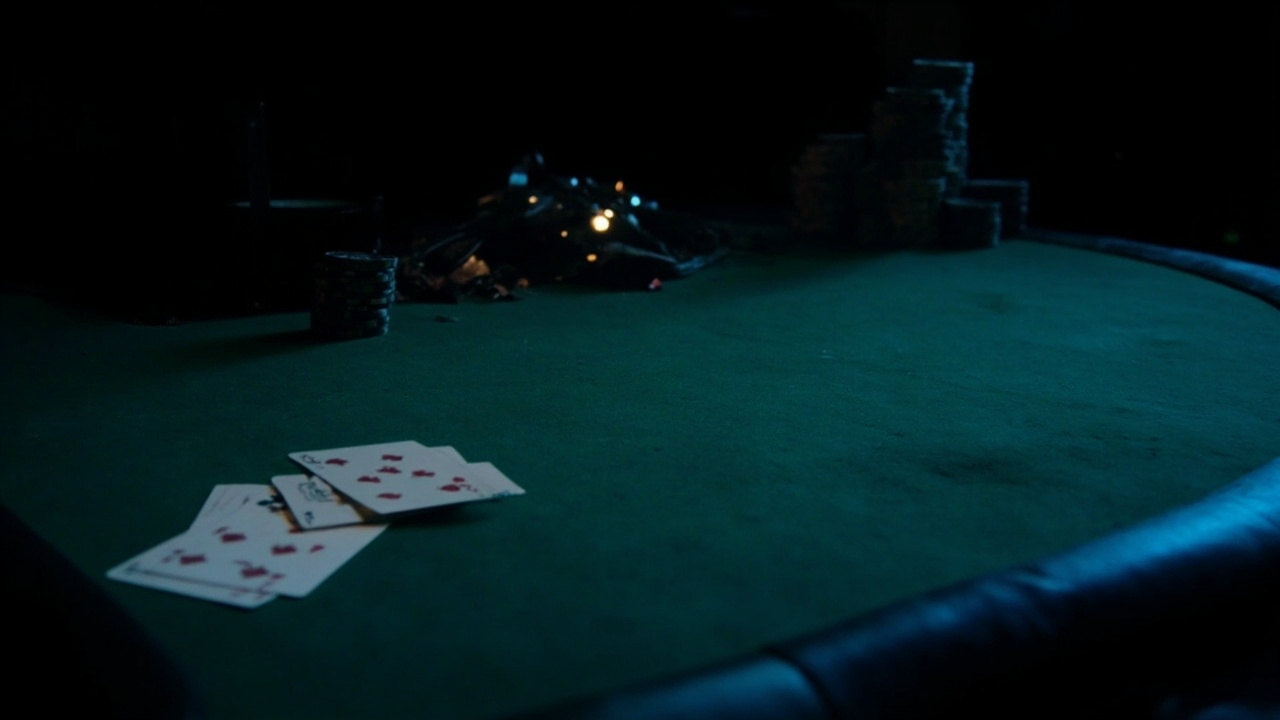
When you are defending from the big blind, you are already out of position for the rest of the hand, which means every street after the flop costs you more information and more control. The first question to weigh is your range versus the opener’s range, not the two cards in your hand. If the button or cutoff is opening wide, you can call with a wider swath of suited connectors and one-gappers, but you need to respect their continuation bet frequency on dry boards. I have watched product teams build tournament structures that punish passive play, and the same logic applies here – if you defend too loosely without a plan for the turn and river, you are just donating chips to anyone who can read a cheap flop bet.
The second question is stack depth. Short stacks change the maths because implied odds shrink and fold equity rises, so a call that looks fine with twenty big blinds left can turn into a marginal spot when you are committed by the river. Deep stacks reward patience and post-flop skill, while short stacks reward discipline and a willingness to fold when the board texture does not help your range. The Gold Coast poker rooms and regional clubs have their own rhythm, and players who adapt to that local pace – reading the table, not just the cards – tend to keep their bankroll intact through a long afternoon.
| Detail | What It Means for Your Play |
|---|---|
| Position | Out of position after the flop, so plan for turn and river before you call |
| Stack depth | Short stacks shrink implied odds; deep stacks reward post-flop skill |
| Opener range | Wider opens from late position justify wider calls, but respect c-bet frequency |
| Board texture | Dry boards favour continuation bets; wet boards raise the cost of calling |
How to Read the Spot Before You Put Chips In
The first piece of the puzzle is the opener’s tendencies and the table dynamic. If you are up against a player who over-bets the river and fires two streets relentlessly, your big blind defence needs to tighten up on marginal hands because you are paying a premium for information you do not control. I have seen the same dynamic in product launches where the go-to-market team over-promises on day one and leaves no room for adjustment later – the fix is always to size your commitment to the actual signal, not the noise. In a live room or an online table, that means folding the hands that only win if the opponent cheats themselves, and calling with the ones that have a real chance to improve or hold up on a bluff. neon54 casino review
The second piece is your own stack and the action behind you. When there are players left to act, your defence has to account for the chance of a squeeze or a cold four-bet, which means some hands that look callable in a heads-up pot become folds once you factor in the risk of getting raised and out of position twice. Australian players who play a busy Saturday arvo on the Gold Coast know this instinctively – the table fills up, the rhythms change, and the same hand that works at a quiet midweek session can get you into trouble when three people are watching. A relaxed read of the room beats a rigid chart every time, because the people in front of you are not running a script.
Matching the Defence to Your Own Game
The final question is whether your bankroll and your temperament actually support the defence you are trying to play. If you are the sort of player who tilts when a cheap flop bet gets raised, then defending wide from the big blind is a fast way to turn a small leak into a big one. I have funded and reviewed platforms where the ongoing value came from recurring promos, cashback, and a loyalty ladder that rewarded repeat play rather than a single deposit, and the same principle holds here – the right defence is the one you can actually execute over a hundred hands, not the one that looks clever in isolation. If you want a concrete read on how a site structures that ongoing value, the neon54 casino review lays out the promos, cashback, and loyalty details in a way that is easy to weigh before you commit.
For players who want a broader framework on tournament survival and stack management, the poker how to win at tournaments guide walks through the same kind of decision-making from a different angle, which is useful when you are moving from cash games into a multi-table structure. The through-line is simple: defend the big blind when the maths and the opponent tell you to, fold when the texture and the action say you are just paying for a dream, and never pretend a call is free just because you are already in the pot. Webannemarket
The verdict is straightforward. Weigh your range, the opener’s habits, the stack depth, and the board before you put chips in, and treat the big blind as a decision point rather than a default call. If you can do that consistently, you will keep your losses down when the table is tough and pick up the pots that actually belong to you.
Recent Comments